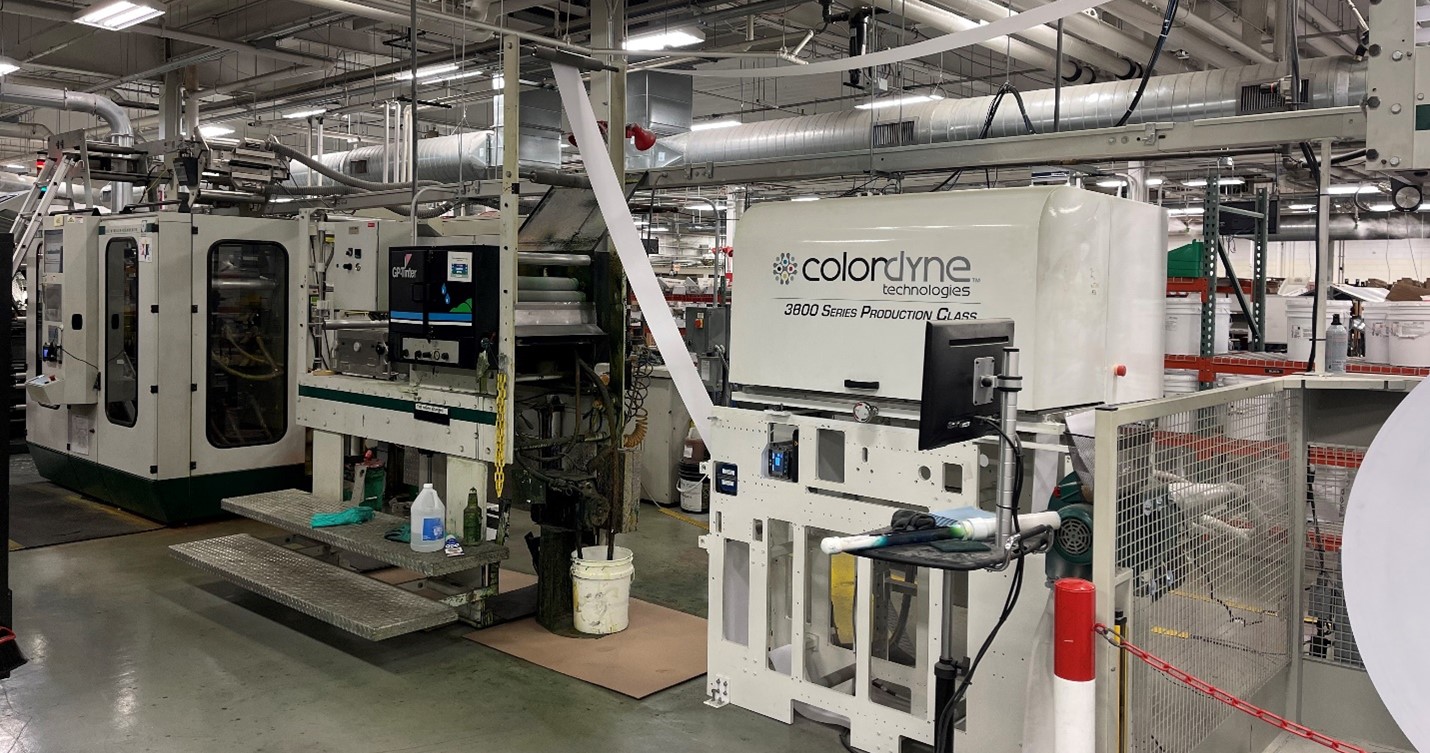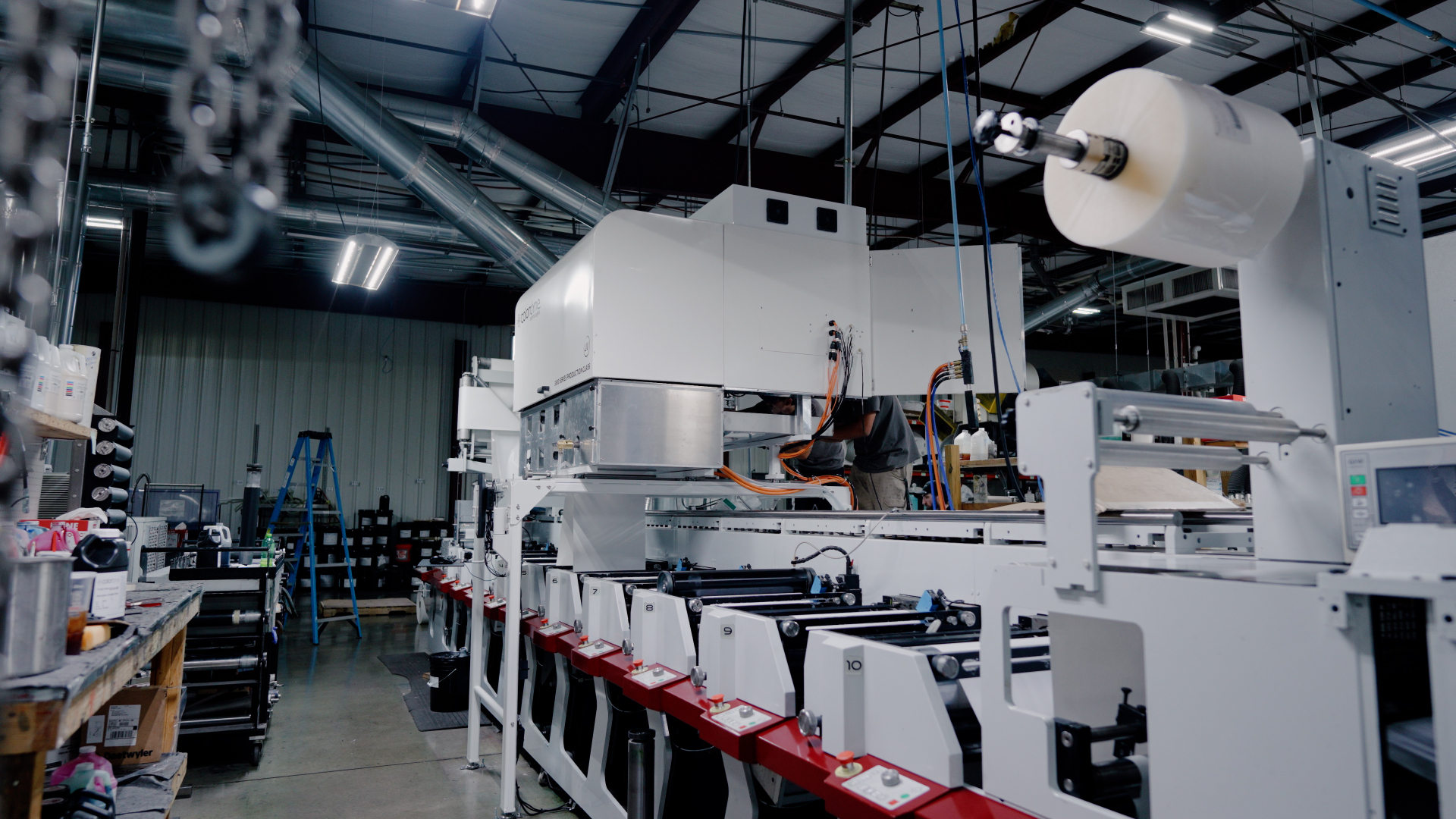
As businesses in the label and packaging industry consider the transition toward retrofitting inkjet technology, there are several critical factors to weigh. Here are the key considerations companies should evaluate to ensure a successful integration into their existing systems.
Evaluating technology compatibility
The first step is assessing the compatibility of existing equipment with the new inkjet technology. That means understanding the technical requirements and ensuring the current infrastructure can support the retrofit. It's crucial to work with a technology provider that can offer guidance and customization to fit the unique needs of each production setup.
Cost analysis and budgeting
Understanding the financial implications of retrofitting is essential. Companies need to conduct a thorough cost-benefit analysis, considering not only the initial investment but also long-term savings and profitability. Factor in gains in production efficiency, reductions in waste, and the ability to tap into new market opportunities.
Staff training and workflow adjustments
Implementing new technology comes with a learning curve. Adequate training is vital so staff can operate the new system effectively. Companies may also need to adjust workflows to maximize the benefits of the retrofit — a strategic approach to change management.
Future-proofing and scalability
Consider the future scalability of the retrofit solution. As the business grows and market demands evolve, the technology should be adaptable and scalable to meet those changing needs. Choosing a solution that can evolve with the company ensures a sustainable, future-proof investment.
Retrofitting inkjet technology presents a compelling opportunity to enhance efficiency, quality, and profitability. By carefully weighing these factors, companies can make informed decisions that drive greater success in a competitive market.